

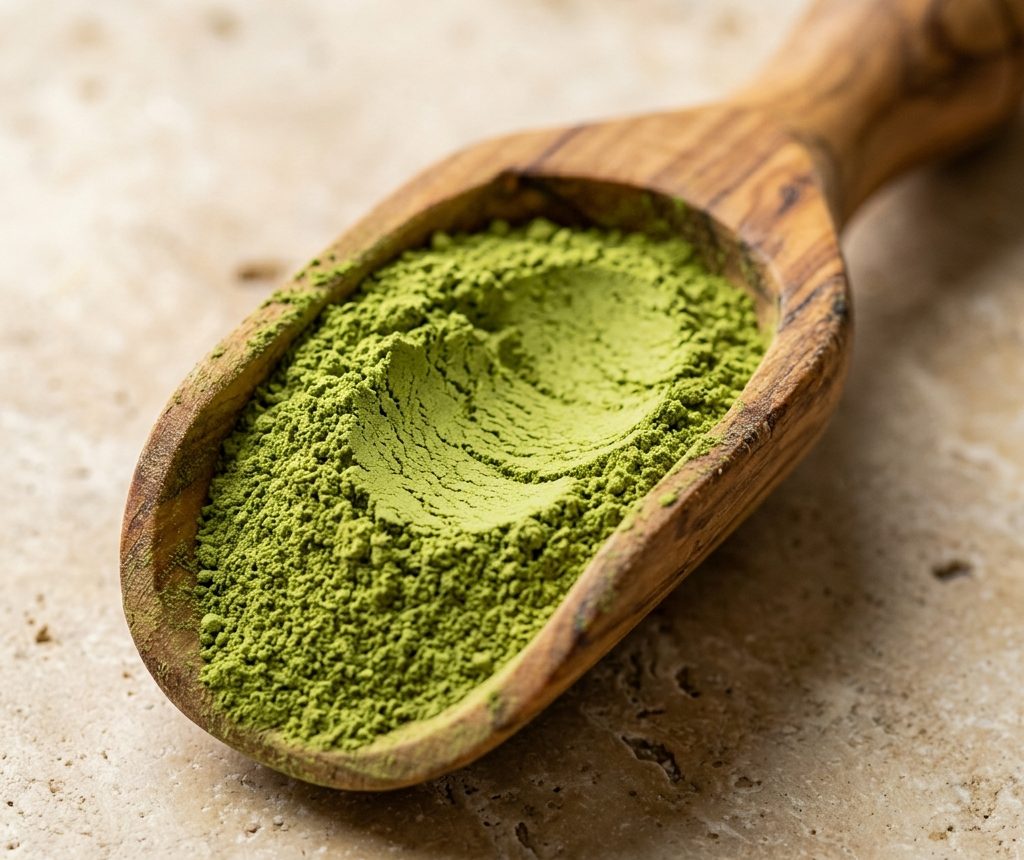
“Sojat henna” is not a marketing label — it describes henna grown and milled in a specific region of Rajasthan with specific advantages.
Dye-rich leaves
The combination of alkaline soil, low humidity and intense sunlight pushes henna plants to produce more lawsone, the molecule responsible for staining. Leaves from this belt consistently mill into dye-rich powder.
Freshness and milling
Great henna also depends on what happens after harvest: shade drying protects the pigment, and fine cloth sifting produces powder so smooth it flows through a mehndi cone without straining.
Consistency at scale
Because henna is Sojat’s core trade, quality control is a shared craft — farmers, millers and packers have refined the same process over generations.
How to get the real thing
Look for single-origin claims, batch dates and a supplier who says “Sojat” on the pack. That is exactly what we do — every Sayal Henna pouch is milled and packed in Sojat City.
Related Henna Guides

How to Make Natural Mehndi Paste
A simple, reliable natural mehndi paste recipe — ratios, resting time and the mistakes that dull your stain.
Natural Henna vs Chemical Hair Colour
An honest comparison of natural henna and chemical hair colour — how they work, their trade-offs and one safety rule.
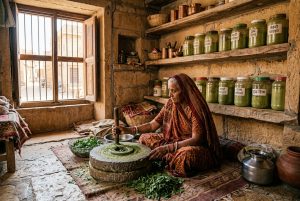
A Short History of Henna in Rajasthan
How Rajasthan's arid districts became India's henna heartland — and why Sojat City became its trading hub.
Leave a Reply